Our research contents
Development of High-Efficiency Production and Mining Technologies for Hydrocarbon Energy Resources
We are researching crude oil, an indispensable energy resource for the future. Rather than blindly drilling oil fields as we have done in the past to obtain crude oil, we are developing technologies to efficiently recover oil from already developed fields to their maximum potential. This method is called EOR. Japan relies heavily on imports for many of its energy resources. To ensure a sustainable energy supply, it is crucial to gain a deep understanding of crude oil and advance the development of globally standard technologies.
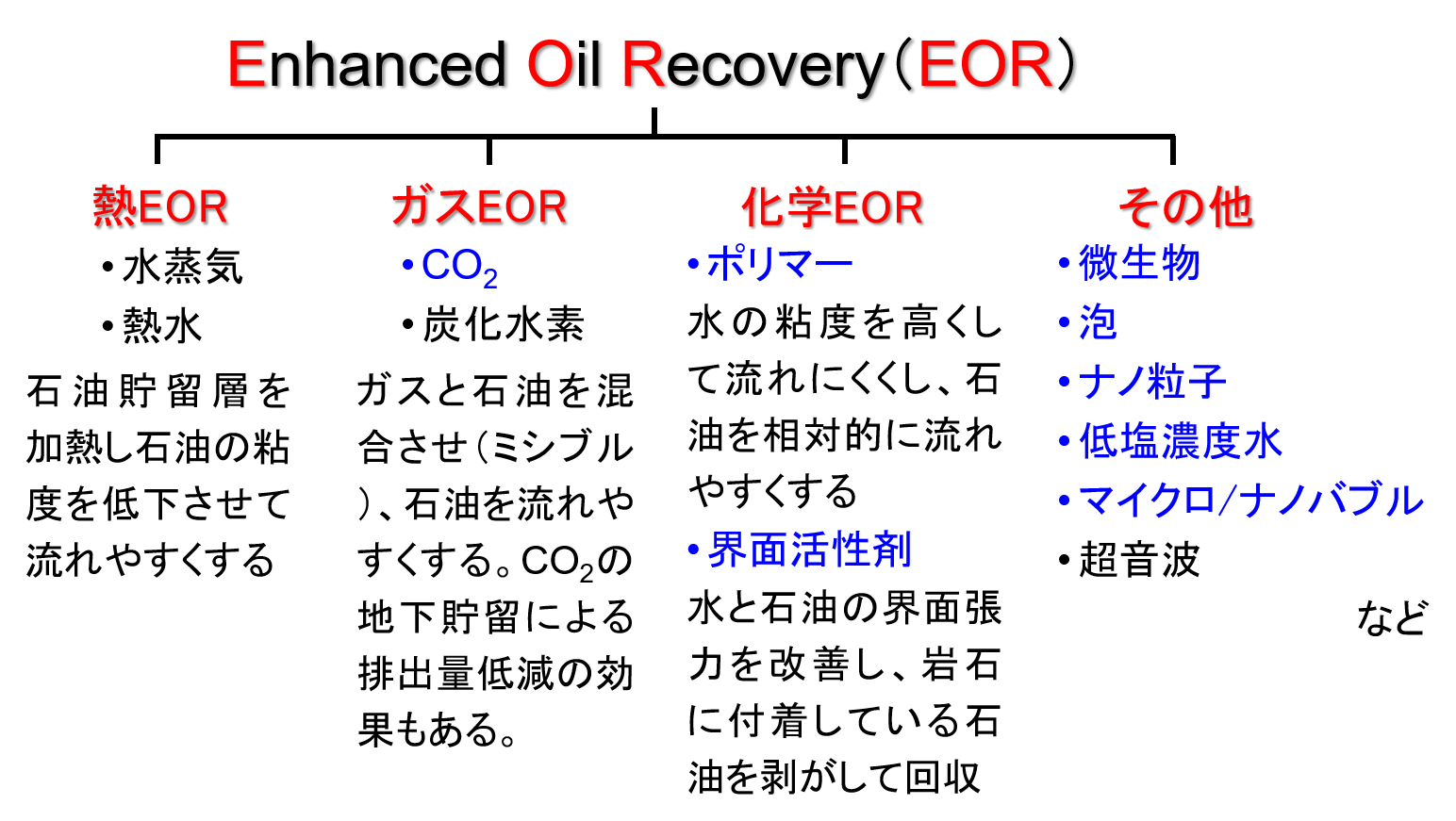
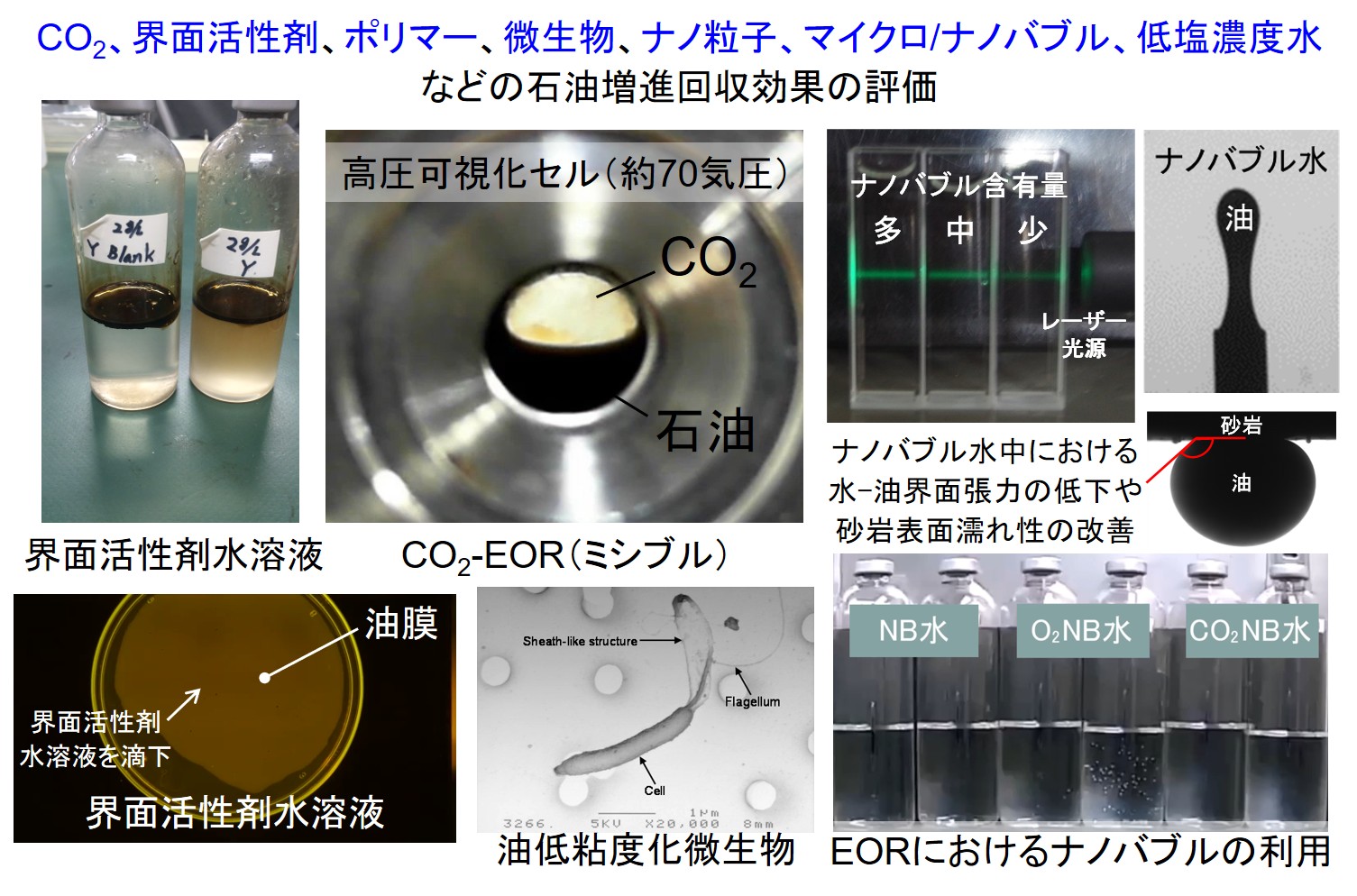
By employing various “new materials” and “techniques,” we are verifying the enhancement of EOR effectiveness. As shown in the figure, numerous EOR methods exist, and by altering the relationship at the crude oil-fluid interface, the flow properties of crude oil are improved. We conduct physical and chemical analyses using microscopes and measuring instruments in the laboratory. Particularly with CO₂-EOR, it can function as CCU because it enables both improved crude oil recovery rates and the storage of CO₂ underground.
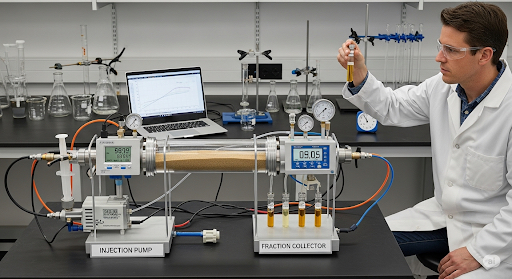
Based on the obtained physicochemical properties, we create sandpack cores (image) at the laboratory scale simulating actual oil fields. Crude oil, underground formations, and fluids vary in characteristics across the globe. By uniformly testing a wide range of crude oil types and sandpack cores, we gain insights and propose effective EOR methods.
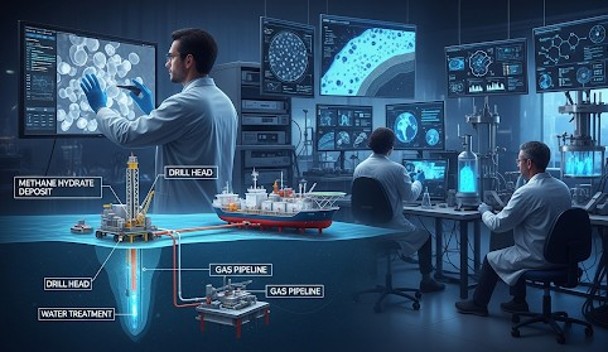
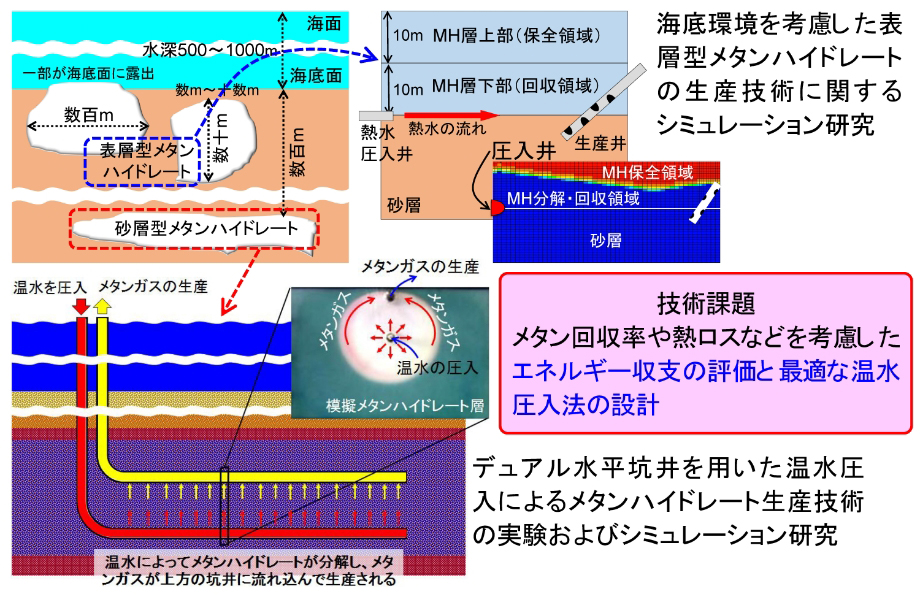
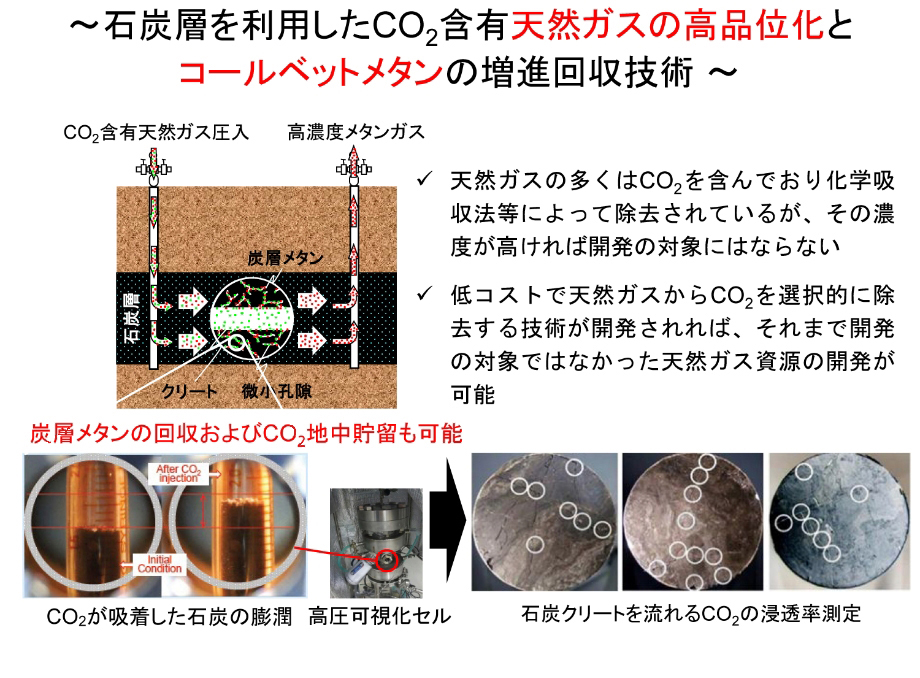
Methane (CH4) has high energy density and produces less CO2 when burned (oxidized) compared to other fossil fuels. Technologies are being developed worldwide to produce energy easily, cheaply, and safely. We are focusing on unconventional resources such as methane hydrate, coalbed methane, and shale gas, developing technologies to efficiently recover the gas.
As shown in the figure, we visualize unseen reaction phenomena underground through simulations and experiments. Simultaneously, it is crucial to generate energy while considering CO₂, the inevitable byproduct of energy production. Recently, we have been verifying the CO₂ storage characteristics of ECBM (Enhanced Coalbed Methane), which involves sweeping CH₄ adsorbed in coal beds with CO₂.
Research on Production Technology for Blue and White Hydrogen
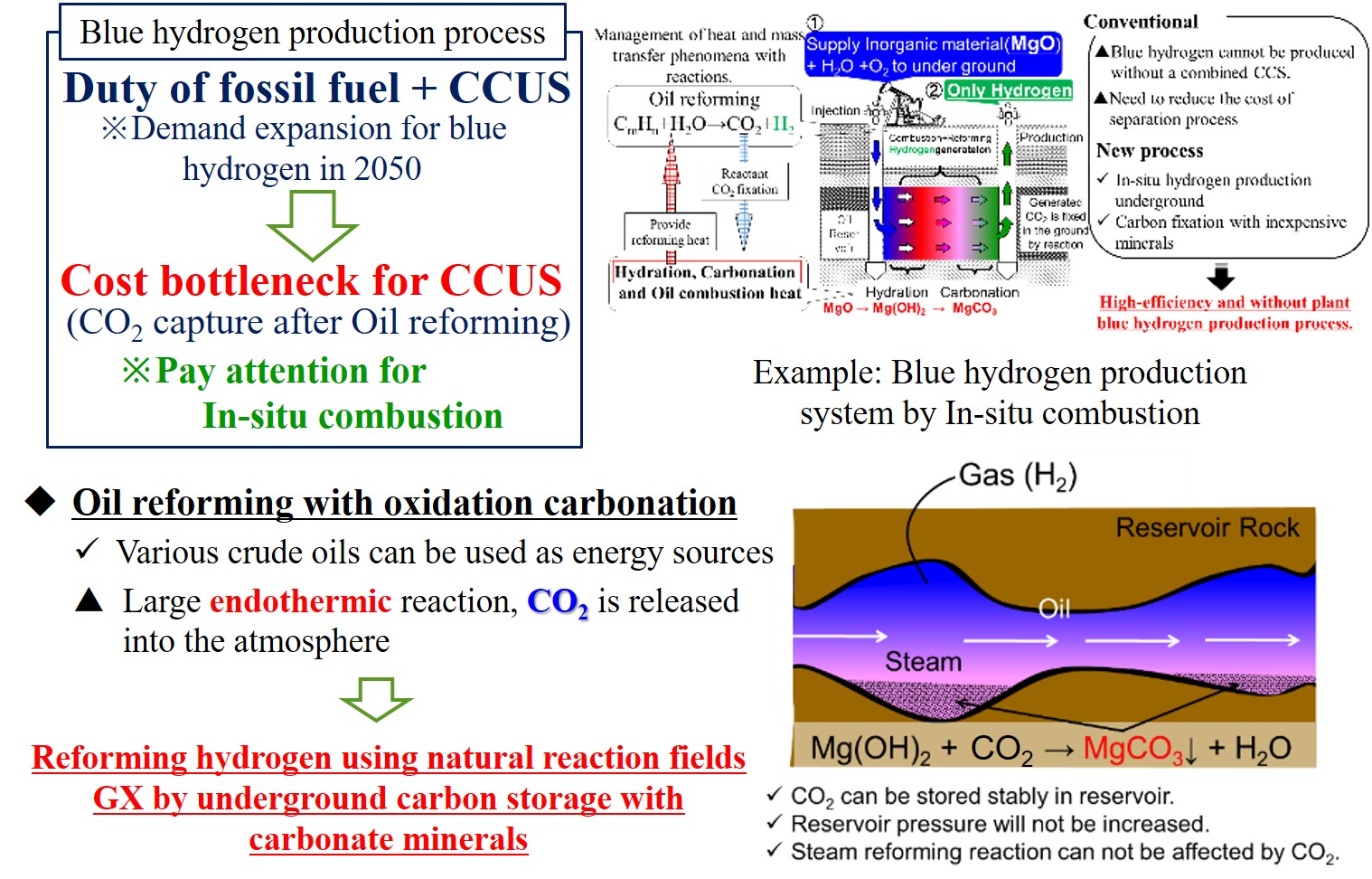
Hydrogen is a secondary energy resource. Global hydrogen consumption is expected to reach 520 million tons per year by 2070 under the Paris Agreement scenario. Hydrogen is color-indexed according to its production source. For example, hydrogen produced from renewable energy is called green hydrogen, while hydrogen produced from nuclear power is called pink hydrogen.
Blue hydrogen is obtained by producing hydrogen from fossil fuels (gray hydrogen) and treating the resulting CO₂ with CCUS. We focused on technology that integrates this hydrogen production with CCS as a single process. By burning crude oil underground, hydrogen is generated while trapping CO₂ underground. This method allows for obtaining clean hydrogen even when burning crude oil. Leveraging expertise in petroleum engineering, subsurface storage engineering, and reaction/transport phenomena, we are preparing experiments ranging from laboratory scale to field tests in Uzbekistan.
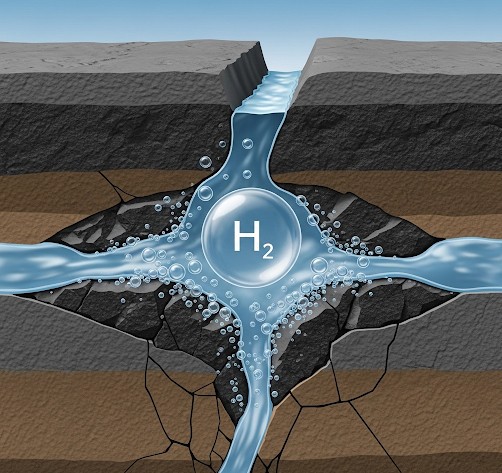
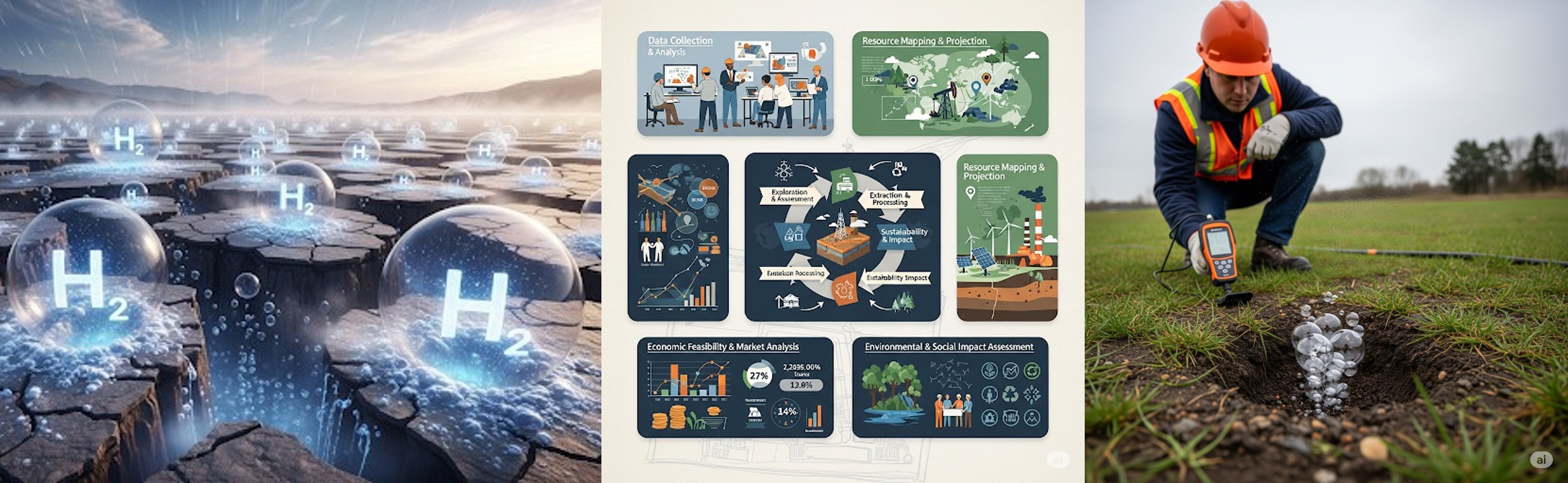
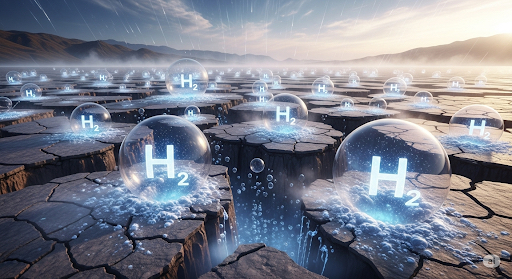
White hydrogen is generated through specific underground behavior, produced by reactions within the earth and stored for many years in rock cavities. In Mali, Africa, hydrogen storage points have been discovered and are being operated as a pilot-scale plant. Several methods for naturally generating hydrogen underground are predicted.
We are focusing on the reaction between natural minerals and water, verifying this reaction phenomenon. At the same time, it is necessary to recover this clean energy as efficiently as possible. Through proposing and experimentally evaluating processes for industrial production, we aim to secure future clean energy sources..
Technology Development for CO2 Separation and Underground Storage (CCS)
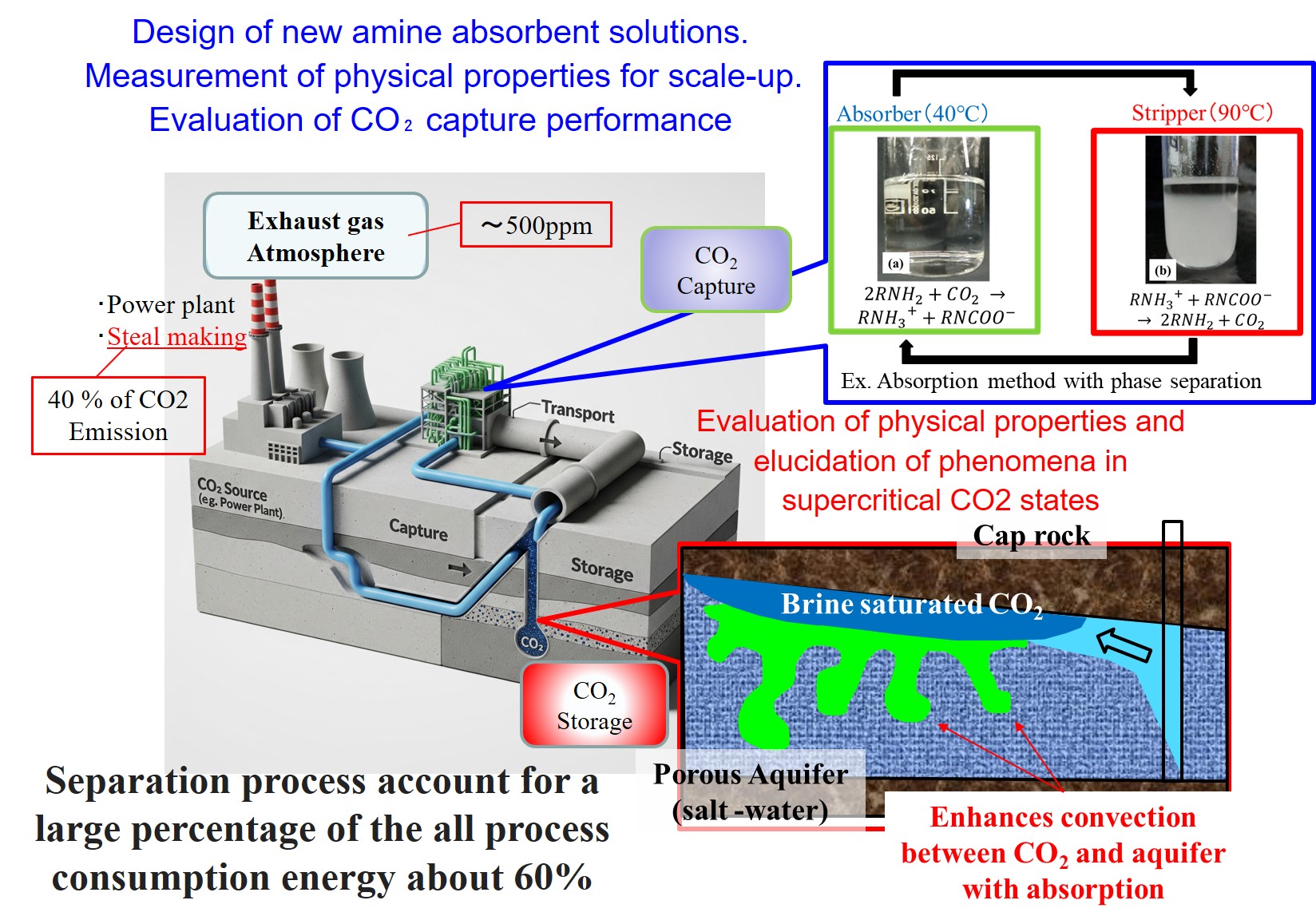
Atmospheric temperature continues to rise. CO2 emissions are released everywhere in human life—from thermal power plants and industrial processes, also breath. since we use “fossil fuels,” we must also take responsibility for the “CO2” produced after their use. The CCUS (Carbon Capture and Utilization, storage) process offers one solution.
Carbon capture and storage (CCS) captures only CO2 from gases emitted by thermal power plants or from the atmosphere, and compresses it to high pressure, and injects it deep underground. CO2 can also be directly synthesized with hydrogen derived from renewable energy sources to produce methane, methanol, and other products (CCU).Since CO2 is removed from the atmosphere, this contributes to preventing global warming.
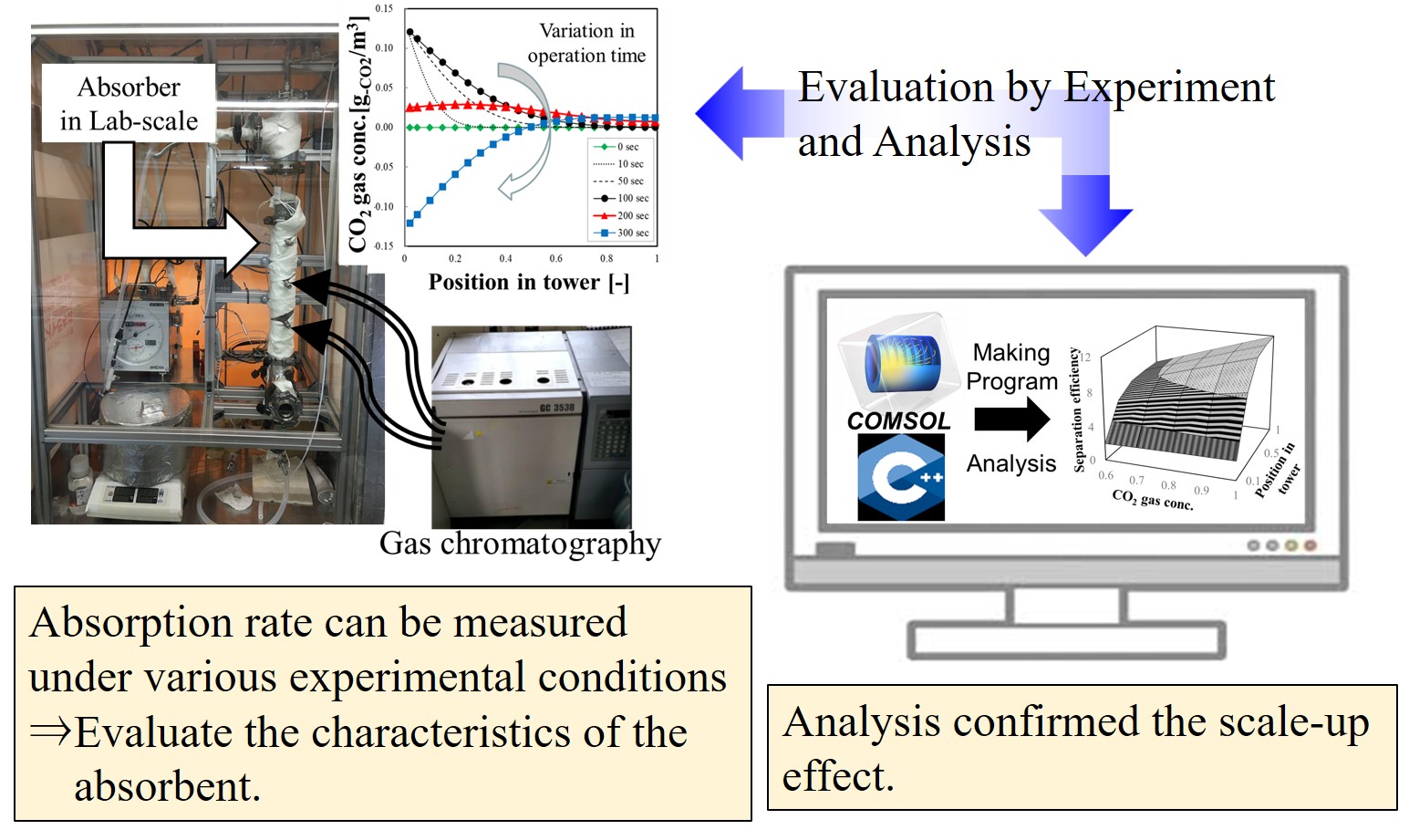
We research the development of new absorbents aimed at reducing the energy required for CO₂ separation,the design of liquid and solid absorbents, and the analysis of tower behavior during scale-up. Additionally, we are studying the phenomena theory to efficiently supply CO₂ underground and achieve stable storage. In the future, stored CO₂ will react with minerals in the ground and be fixed as carbonate minerals. Promoting this phenomenon is key to stabilizing CO₂ storage. We are tackling this through experimental approaches, such as estimating the amount of CO₂ fixed and evaluating the physical properties of the reaction rate factors..
Development of a CCS Monitoring System Using Machine Learning
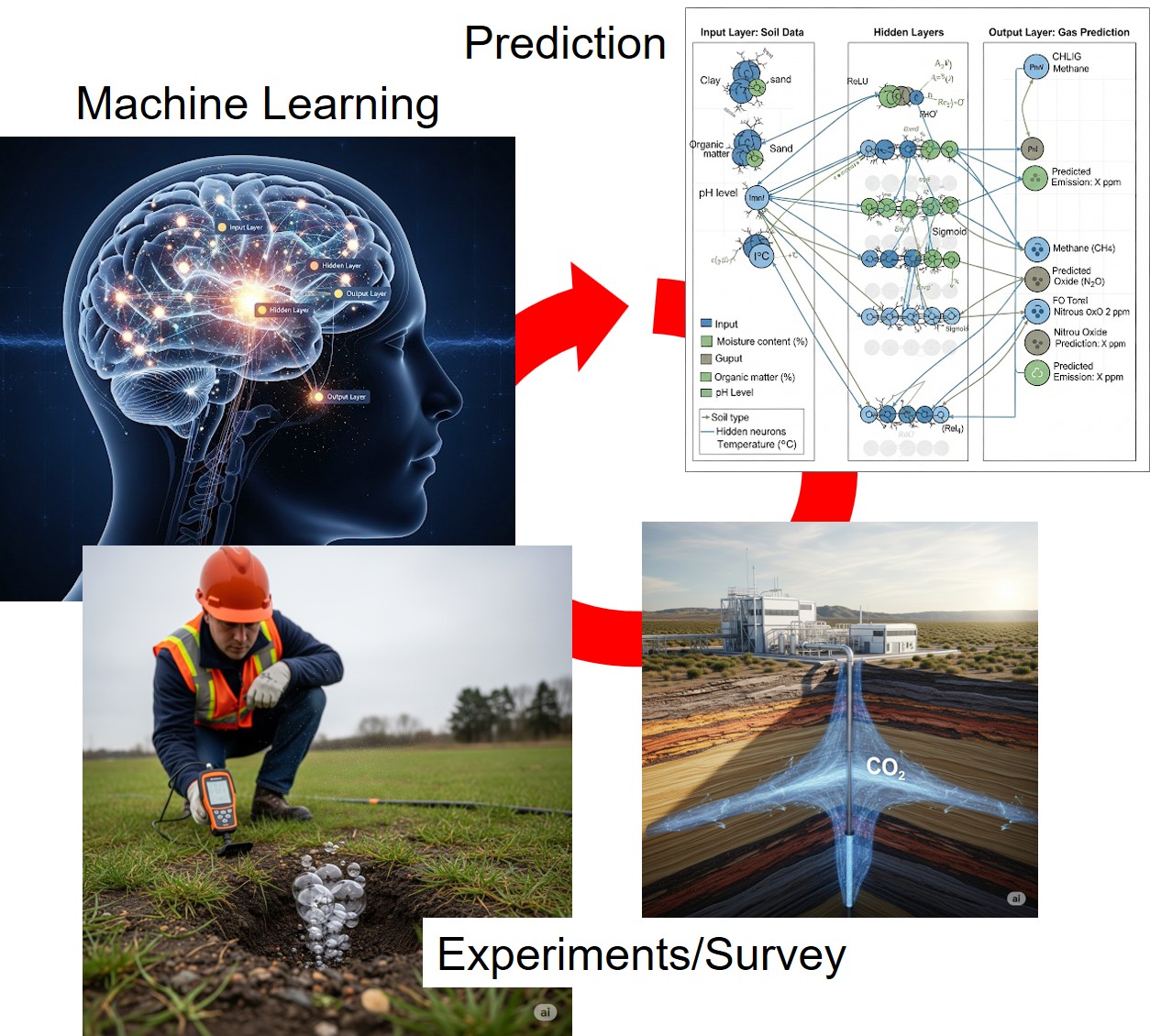
In the CCS process, stable CO2 storage is being advanced deep underground. Storage sites are often selected in areas where crude oil was previously trapped. Above the site lies a dense rock layer called the caprock. This acts as a seal layer, and the possibility of CO2 leaking upward is said to be low. However, the timescale for this stability differs from our human perception of time, extending over hundreds or even thousands of years. If cracks were to form in the rock layer, there is a remote possibility that CO2 could leak to the surface. Therefore, monitoring technology is crucial for anticipating and assessing the potential for CO2 leakage.
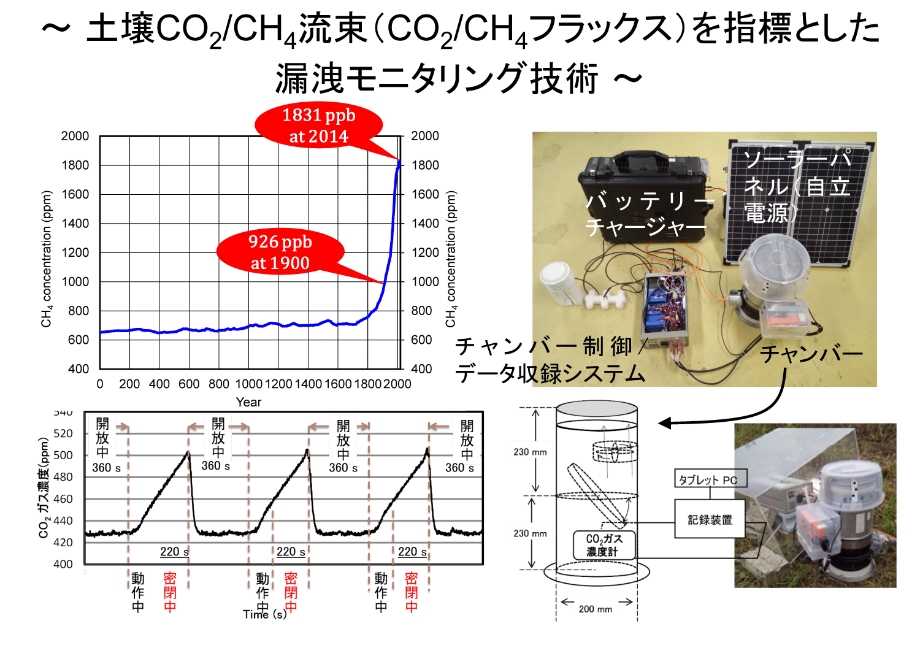
We are developing technology to detect CO2 leakage on the ground using simple methods. However, detecting CO2 “leaks” on the ground is extremely difficult. This is because CO2 is emitted through the respiration of organisms like soil and grass, making it hard to distinguish between CO2 originating from storage and CO2 originating from biological metabolism. To establish this basis for differentiation, we need to quantify the biological CO2 flux.
The research involves measuring ground CO₂ fluxes under diverse conditions—including various locations, climates, and times—and analyzing this big data using machine learning. The resulting analytical tools are used to match predicted CO₂ fluxes with actual CO₂ fluxes, aiming to apply this to CO₂ leakage detection technology.
Evaluation Toward Understanding Phenomena in Metal Recovery and Energy Systems Using Biotechnology
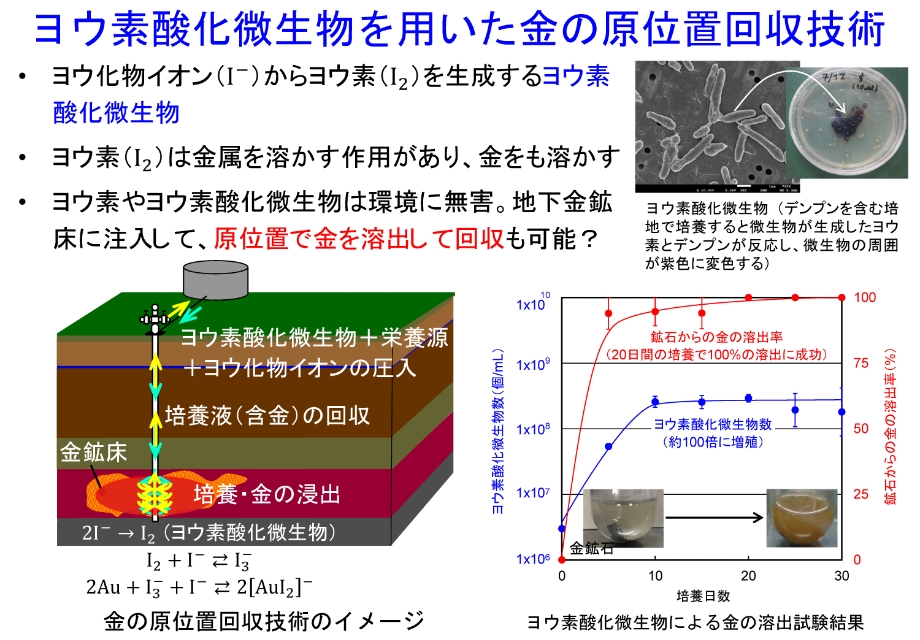
We are conducting research on a novel gold (Au) leaching method utilizing microorganisms known as iodide-oxidizing bacteria. When extracting gold from ore mined from gold deposits, the cyanide process is currently employed at many gold mines. However, the cyanide compounds used in this process are highly toxic and impose significant environmental burdens, necessitating research into alternative gold leaching agents.
Our laboratory is focusing on iodine, investigating whether gold can be leached from ore using iodine produced when iodide-oxidizing bacteria oxidize iodide ions. Furthermore, we are conducting fundamental research into the feasibility of in situ leaching. This approach involves injecting gold leaching solutions (containing iodide-oxidizing bacteria, iodide ions, etc.) into underground gold deposits to promote gold leaching reactions directly in situ, rather than the conventional method of extracting gold ore from underground and leaching it on the surface.
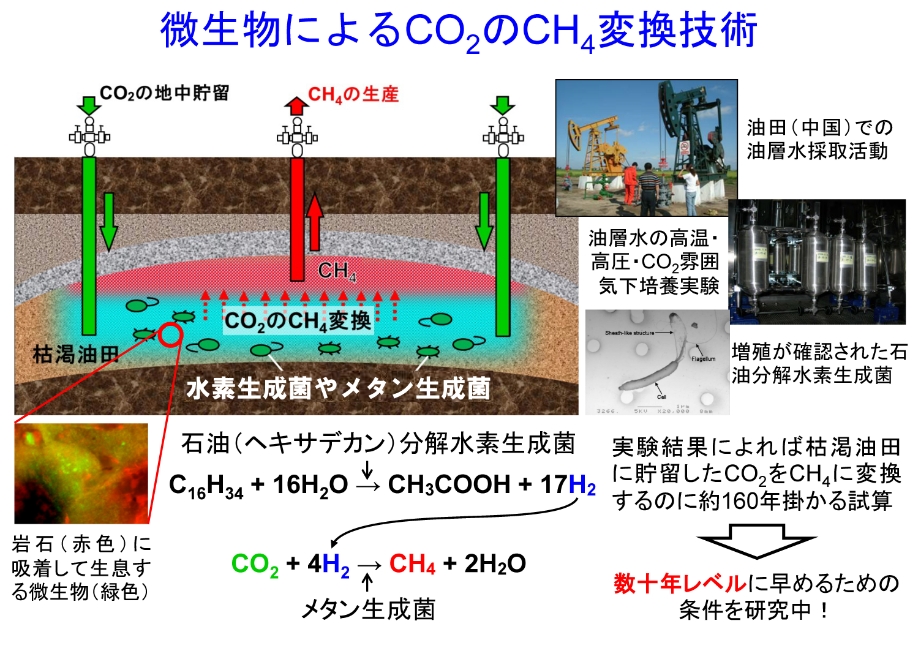
Methanation technology is being developed as part of CCUS technology. This technology produces CH₄ by reacting hydrogen derived from renewable energy with captured CO₂. Some plants have been designed for industrial processes. In the future, CH₄ production via methanation is expected to become widespread.
Hydrogen produced from current renewable energy sources faces challenges such as cost and supply balance. We are proposing a natural methanation system that utilizes microbial power for the storage of natural hydrogen, surplus hydrogen, and CO₂ storage sites, leveraging our expertise in underground resources. We are advancing research through experiments and simulations to develop this technology as a long-term, stable method for underground energy conversion and storage.
Development of Energy-Saving Technologies Using Thermal Management
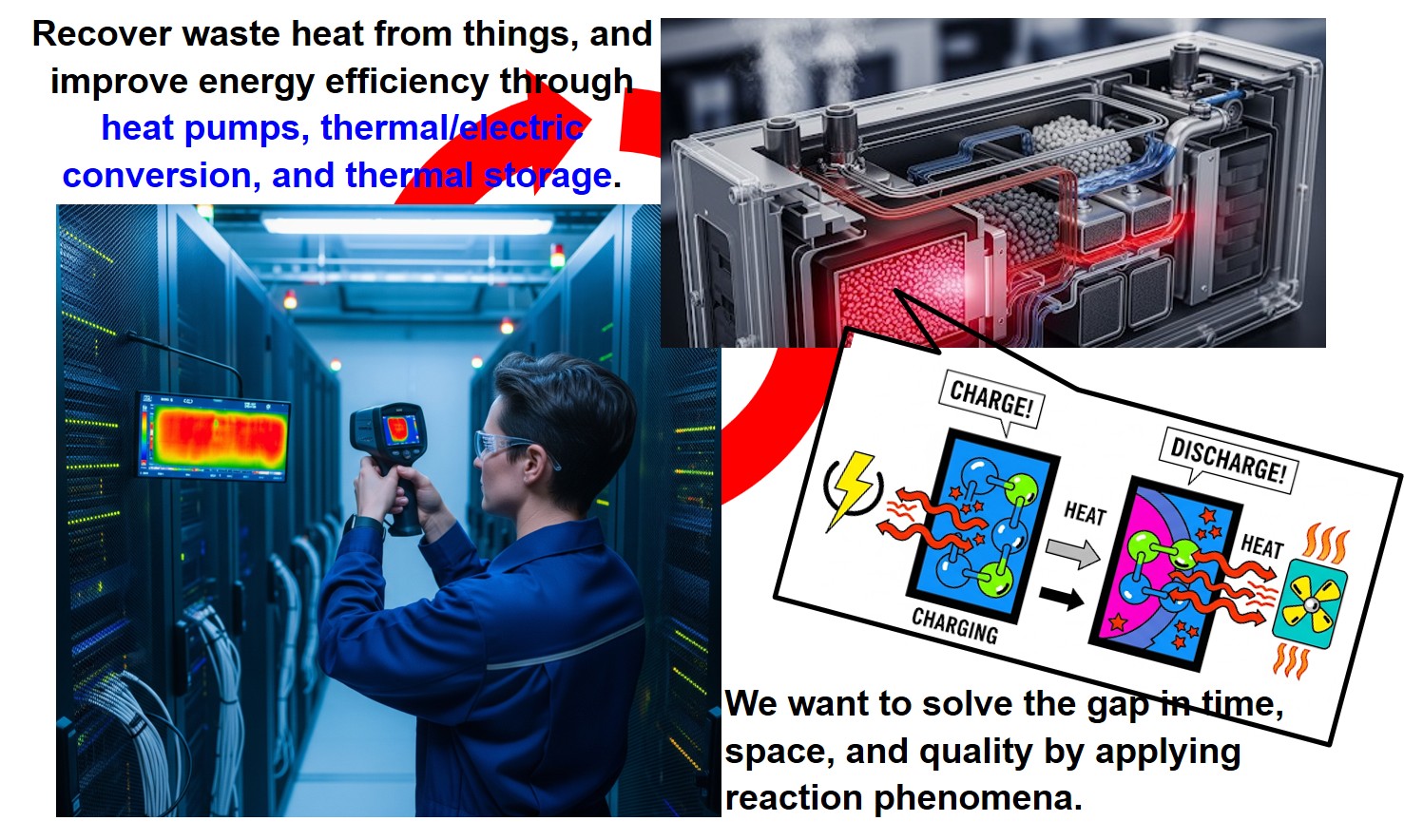
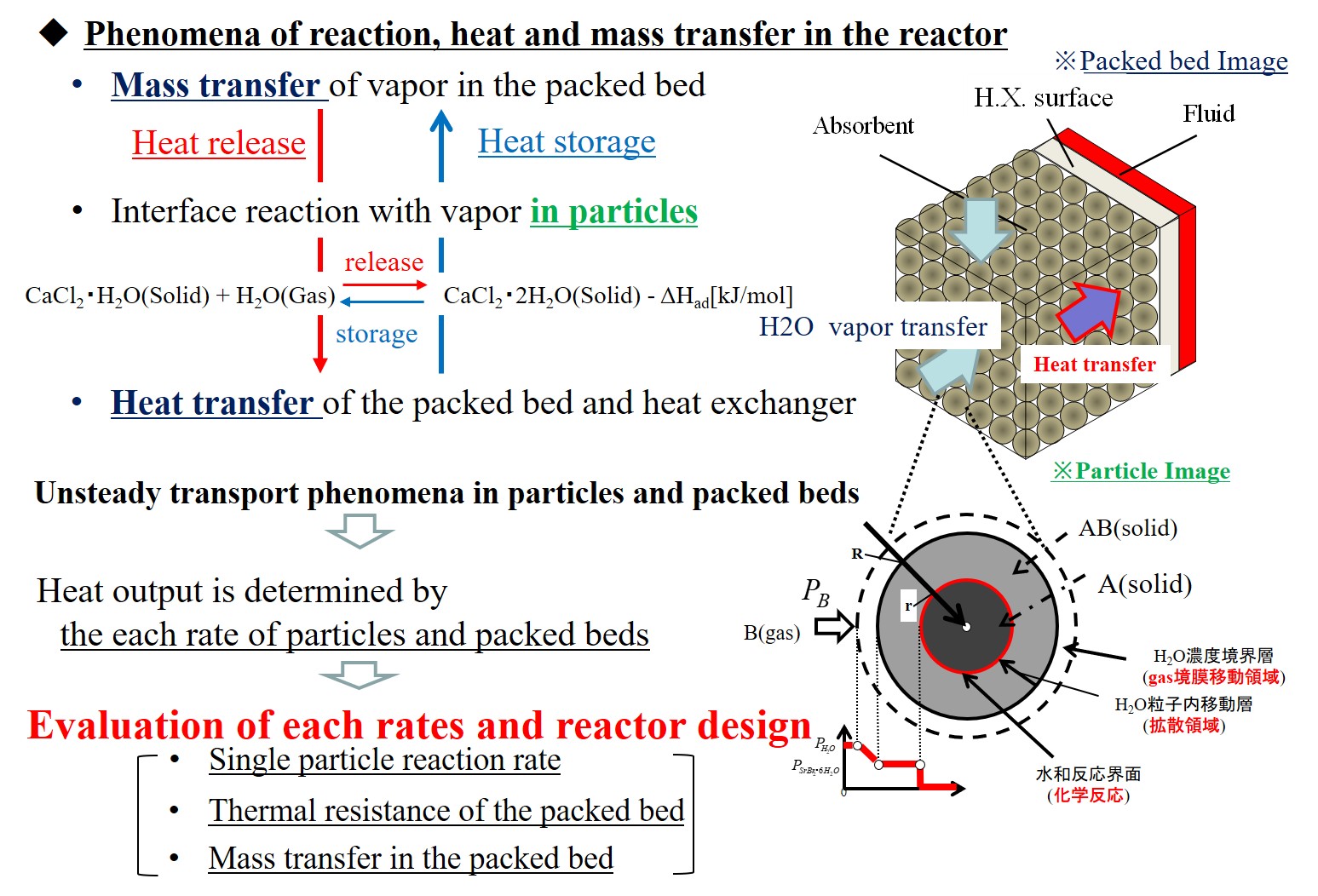
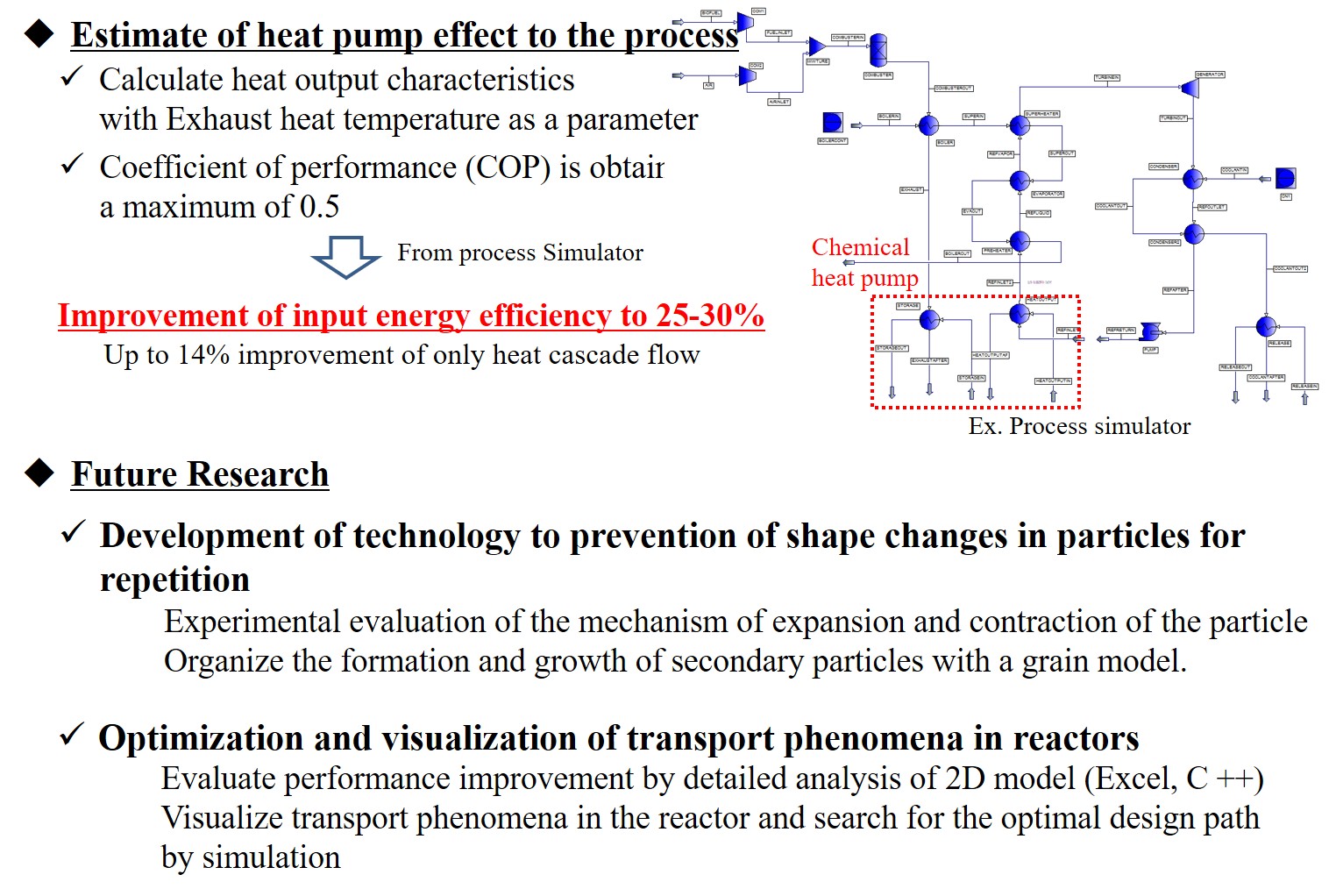
Much of the energy is used and then exhausted as heat. Exhausted heat can be generated from various things.For example, automobiles, smartphone batteries, and even metabolism can be considered sources of energy emissions.If we can sufficiently reuse this wasted thermal energy, it will reduce CO2 emissions without requiring additional energy input..
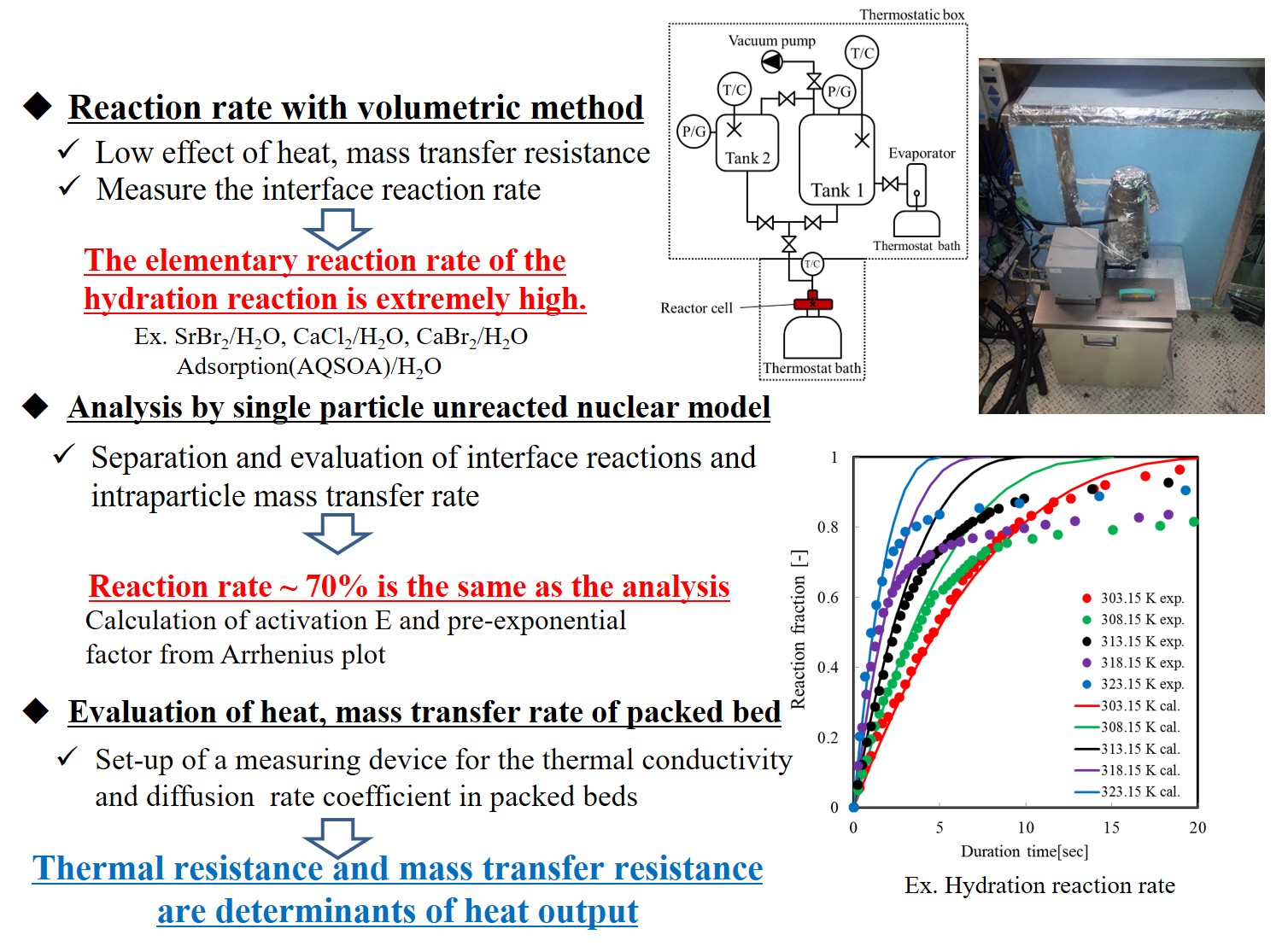
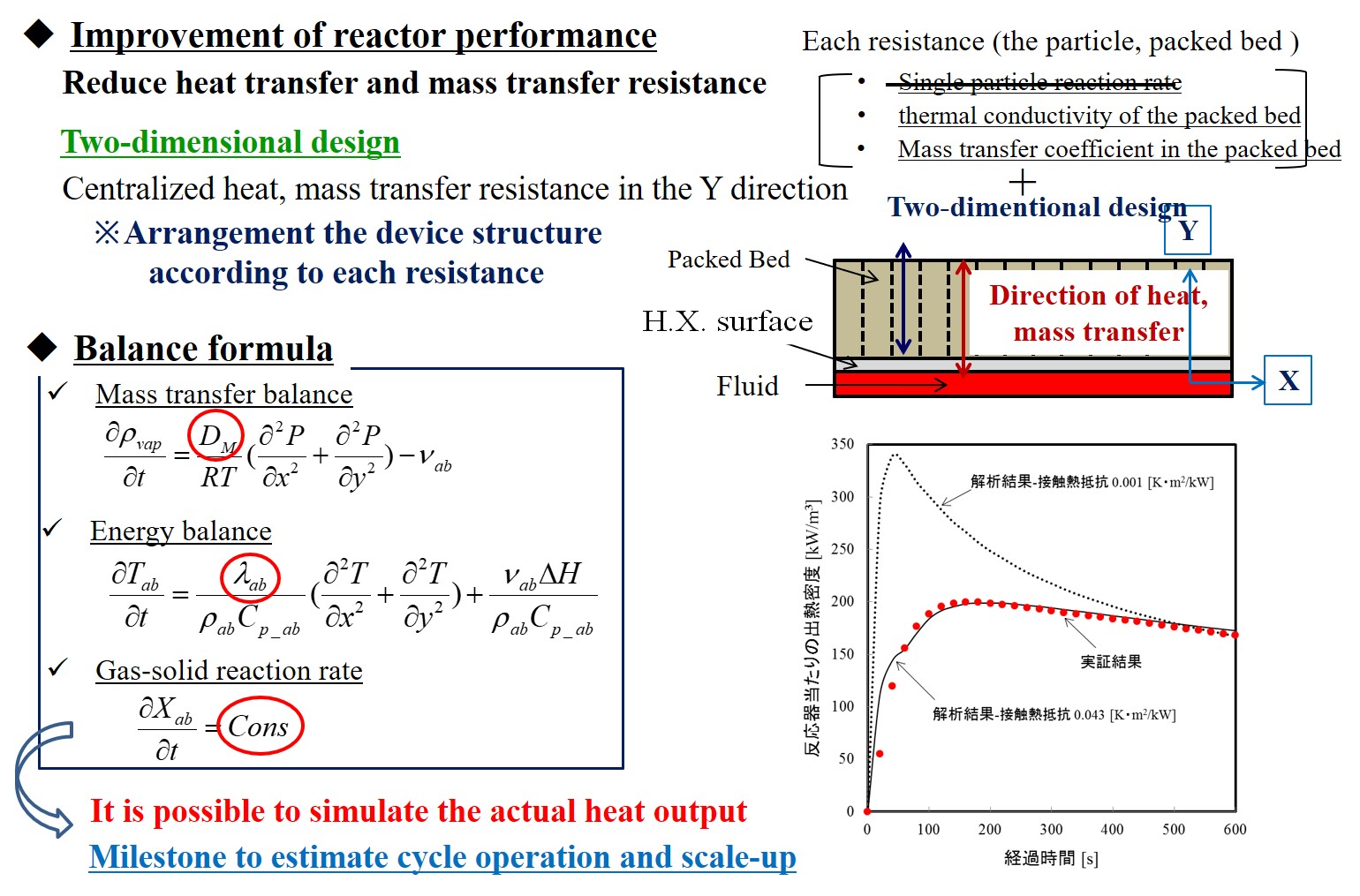
We are developing technologies that use absorption and reaction phenomena to raise the temperature of waste heat for reuse (heat pumps), convert it into cooling or heating (thermodynamic refrigerators), or store it until needed (thermal, carnot batteries) .in addition, we are trying to develop devices that convert waste heat into electrical energy.
The technology for managing energy requires various types of experiments to confirm each theory, such as verifying material properties and designing heat exchangers.We confirm phenomena and new principles by creating and examining our own analytical equipment (including shared equipment) and verification devices. Furthermore, we conduct development that incorporates ideas while translating them into practical designs..